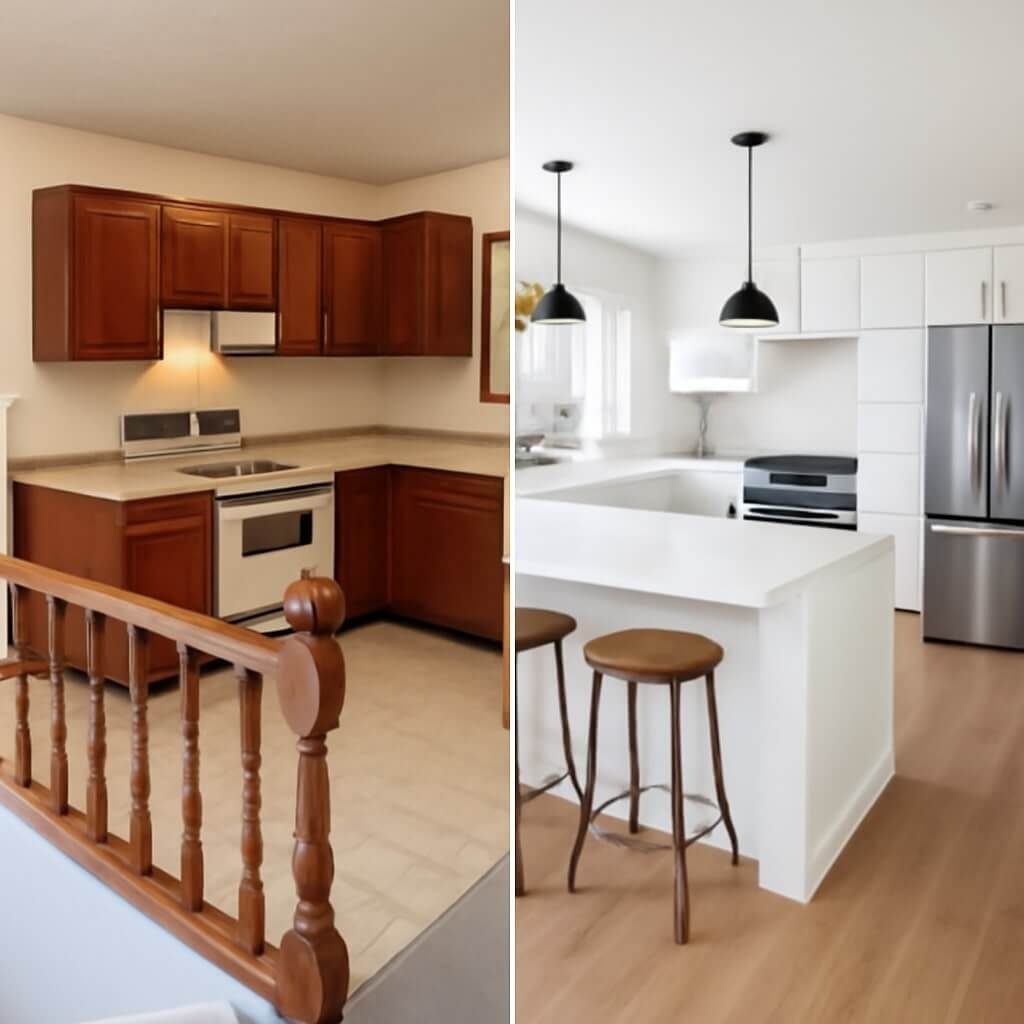
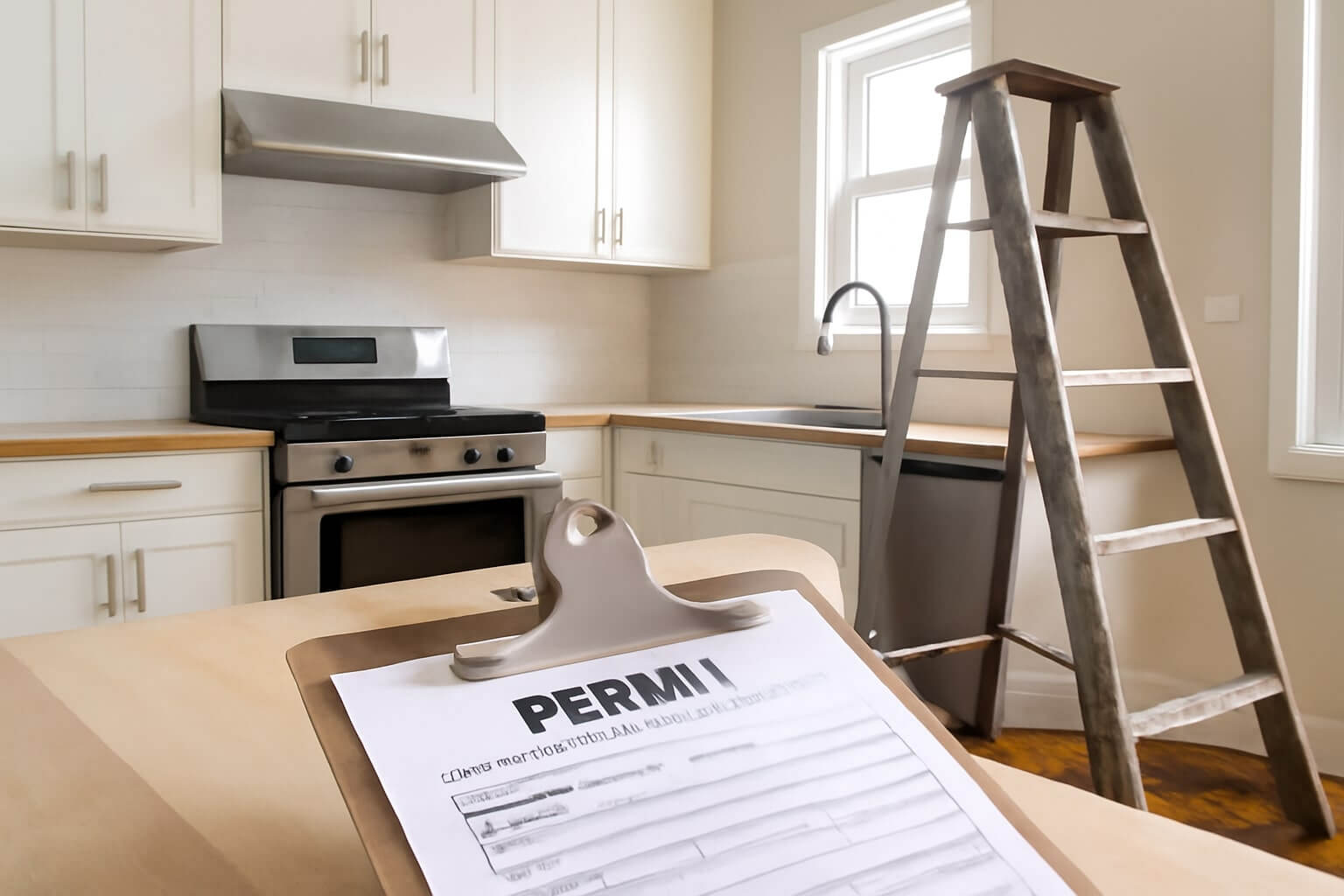
When you’re planning a kitchen remodel, you might wonder if you need a permit. It’s an essential question, as permits can greatly impact your project. Failing to secure the right approvals can lead to costly setbacks. Certain changes, like electrical or plumbing work, often require permits. So, what does this mean for your remodel? Understanding the ins and outs of permits can save you time and money in the long run.
Key Takeaways
- Permits are required for structural changes, electrical updates, and plumbing modifications in a kitchen remodel to ensure safety and compliance.
- Cosmetic changes, like painting or replacing cabinets, typically do not require permits but check local regulations for specifics.
- Working with licensed contractors can help identify necessary permits and streamline the application process for your kitchen remodel.
- Skipping permits can lead to legal penalties, fines, and safety risks, including potential hazards from unapproved electrical or plumbing work.
- Always verify local building codes and regulations, as requirements can vary significantly by location and project scope.
Understanding the Importance of Permits
When you’re planning a kitchen remodel, understanding the importance of permits can’t be overlooked. Many homeowners hold permit misconceptions, believing they can skip this step or that it’s unnecessary.
However, permits guarantee your remodel meets safety codes and regulations, protecting you and your investment. To navigate the permit process smoothly, follow some permit application tips: research local requirements, gather necessary documents, and submit your application early.
This proactive approach can save you time and potential fines. By taking permits seriously, you’ll not only comply with the law but also enhance your home’s value and safety.
When Permits Are Required
Understanding when permits are required can make a significant difference in your kitchen remodel process. Certain changes to your kitchen layout, like moving plumbing or electrical systems, often demand permits. Not securing these permits can delay your renovation timeline and lead to costly fines.
| Type of Change | Permit Needed? | Reason |
|---|---|---|
| Structural Changes | Yes | Affects load-bearing walls |
| Electrical Updates | Yes | Guarantees safety and compliance |
| Plumbing Modifications | Yes | Prevents leaks and hazards |
| Cosmetic Changes | No | Does not affect structure |
Stay informed to streamline your project!
Common Kitchen Remodel Projects That Need Permits
While planning your kitchen remodel, you’ll find that certain projects require permits to confirm safety and compliance with local building codes.
Major changes like moving walls, altering plumbing, or upgrading electrical systems typically need permits. If you’re expanding your kitchen’s footprint or installing new appliances that require additional electrical work, permits are crucial.
Additionally, if you’re following specific kitchen design trends that involve structural changes, like opening up the space to the living area, be sure to check permit requirements.
Always consult your local regulations to ensure your remodel aligns with current standards and avoids future complications.
Local Building Codes and Regulations
Local building codes and regulations play an essential role in your kitchen remodel. They guarantee safety and compliance with standards, impacting your design decisions. Familiarize yourself with kitchen zoning and remodeling guidelines specific to your area.
Here’s a quick reference table to help you:
| Aspect | Code Requirement | Importance |
|---|---|---|
| Electrical Work | GFCI outlets required | Prevents electrical hazards |
| Plumbing | Must meet local standards | Guarantees safe water supply |
| Ventilation | Adequate airflow needed | Reduces moisture and odors |
| Structural Changes | Requires permits | Maintains structural integrity |
| Appliance Placement | Follow zoning laws | Optimizes space and functionality |
How to Apply for a Kitchen Remodel Permit
Before diving into your kitchen remodel, you’ll need to navigate the permit application process, which guarantees your project meets all necessary regulations.
Start by checking with your local building department to determine what permit types are required for your specific renovations. Gather required documentation, including project plans and contractor details.
Complete the application form accurately, ensuring all information aligns with local codes. Submit your application, and be prepared for possible inspections.
Once approved, you’ll receive your permit, allowing you to proceed confidently with your kitchen remodel, knowing you’re compliant with local regulations.
Fees and Costs Associated With Permits
When planning your kitchen remodel, it’s essential to budget for the fees and costs associated with obtaining permits.
Budgeting for permit fees is crucial when planning your kitchen remodel to avoid unexpected expenses.
Understanding permit pricing can save you from unexpected expenses. Here’s a quick fee breakdown:
- Application Fees: These vary by location, often ranging from $50 to several hundred dollars.
- Inspection Fees: You may pay separate fees for inspections, typically between $75 and $200 each.
- Additional Costs: Some jurisdictions charge for revisions or expedited services, which can add to your total.
Consequences of Skipping Permits
Skipping permits for your kitchen remodel can lead to hefty legal penalties that may outweigh any savings you thought you achieved.
Additionally, you expose yourself to safety risks, as unpermitted work mightn’t meet building codes or regulations.
It’s essential to understand these potential consequences before you start your project.
Legal Penalties Incurred
Neglecting to secure the necessary permits for your kitchen remodel can lead to serious legal consequences that may outweigh any initial savings.
You might face:
- Financial penalties: Local authorities can impose hefty fines for unpermitted work, which can escalate quickly.
- Legal action: Homeowners can be sued by neighbors or the city for code violations, leading to costly legal fees.
- Delays in completion: Without permits, your project may be halted, forcing you to incur additional costs and inconveniences.
Avoid these legal consequences by ensuring you have the right permits before starting your remodel.
It’s worth the investment.
Safety Risks Involved
Failing to secure the necessary permits for your kitchen remodel not only invites legal trouble but also exposes you to significant safety risks. Without proper oversight, you might overlook vital aspects of kitchen safety, leading to remodel hazards like electrical fires or plumbing leaks. These dangers could endanger your family and your home.
| Risk Type | Consequence |
|---|---|
| Electrical Issues | Fire hazards |
| Plumbing Errors | Water damage |
| Structural Failures | Injury from collapse |
| Improper Ventilation | Health risks from mold |
Don’t compromise your safety; always obtain the required permits.
Working With Contractors and Permits
When you’re remodeling your kitchen, choosing licensed contractors is essential for ensuring quality and compliance with local regulations.
You’ll also need to understand the specific permit requirements for your project to avoid any legal issues.
Clear communication about project details with your contractors will help everything run smoothly and keep your remodel on track.
Choosing Licensed Contractors
Choosing licensed contractors is essential for guaranteeing your kitchen remodel goes smoothly and meets all legal requirements.
When selecting a contractor, consider these key factors:
- Licensed Contractor Responsibilities: Confirm they understand local building codes and safety regulations.
- Contractor Qualification Standards: Verify their experience and expertise in kitchen remodeling.
- References and Reviews: Check previous work and client feedback to gauge reliability and quality.
Understanding Permit Requirements
Once you’ve secured a licensed contractor, understanding the permit requirements for your kitchen remodel becomes essential.
Different localities have specific regulations that can affect your kitchen design and the overall outcome of your project. Depending on the scope of your remodel, you might need permits for electrical, plumbing, or structural changes.
Staying updated on current remodeling trends can help you identify what’s permissible in your area. Your contractor should guide you through the permitting process, guaranteeing you comply with local building codes.
Always double-check requirements to avoid delays and make sure your kitchen remodel goes smoothly.
Communicating Project Details
How can you guarantee that your kitchen remodel aligns with your vision and meets all necessary regulations? Clear communication with your contractor is essential.
Here are three key points to discuss:
- Kitchen Design: Share your ideas and inspirations to verify your contractor understands your style preferences.
- Budget Considerations: Be upfront about your budget to avoid surprises later on and to help prioritize features.
- Permits: Confirm which permits are needed and who’ll handle the application process, verifying compliance with local regulations.
Timeline for Obtaining a Permit
When can you expect to receive your kitchen remodel permit?
Typically, permit processing times vary based on your local jurisdiction and the complexity of your project. Generally, you can anticipate anywhere from a few days to several weeks.
To streamline the process, familiarize yourself with the permit approval steps, which often include submitting your plans, paying fees, and possibly undergoing inspections.
Familiarize yourself with permit approval steps to ensure a smoother remodeling process.
It’s essential to be prepared and have all necessary documentation ready to avoid delays.
Tips for a Smooth Permit Process
To guarantee a smooth permit process, start by researching your local regulations.
Knowing what’s required can save you time and frustration later.
Additionally, gather all necessary documents ahead of time to streamline your application.
Research Local Regulations
Before diving into your kitchen remodel, it’s essential to research local regulations, as they can greatly impact your project timeline and budget.
Here are three key areas to focus on:
- Local Zoning: Check if your planned remodel complies with zoning laws, as they dictate what you can and can’t change.
- Inspection Requirements: Know the necessary inspections for your remodel to guarantee your project meets safety codes.
- Permit Fees: Understand any associated costs to avoid surprises that could derail your budget.
Taking the time to research these aspects will streamline your permit process and keep your remodel on track.
Prepare Necessary Documents
Gathering the necessary documents for your kitchen remodel permit can greatly smooth the approval process.
Start by creating a document checklist that includes your permit application, site plans, and detailed project descriptions. You might also need contractor information, proof of property ownership, and any relevant inspections.
Check local regulations to guarantee you have all required documents. Organizing everything beforehand saves time and reduces the chance of errors.
Once you have your checklist complete, submit your permit application promptly. Being prepared not only expedites approval but also helps you avoid potential delays or complications down the line.
Conclusion
In summary, always check if you need a permit for your kitchen remodel. Understanding local building codes and ensuring compliance can save you from legal issues and safety risks down the line. Whether you’re making structural changes or updating plumbing, permits are often necessary. Don’t skip this vital step—consult with contractors and apply for your permits early to keep your project on track and avoid delays. Your kitchen deserves the best, so make sure you’re following the rules!